

The September Garden: What to Harvest, Preserve & Plant Now in Kentucky
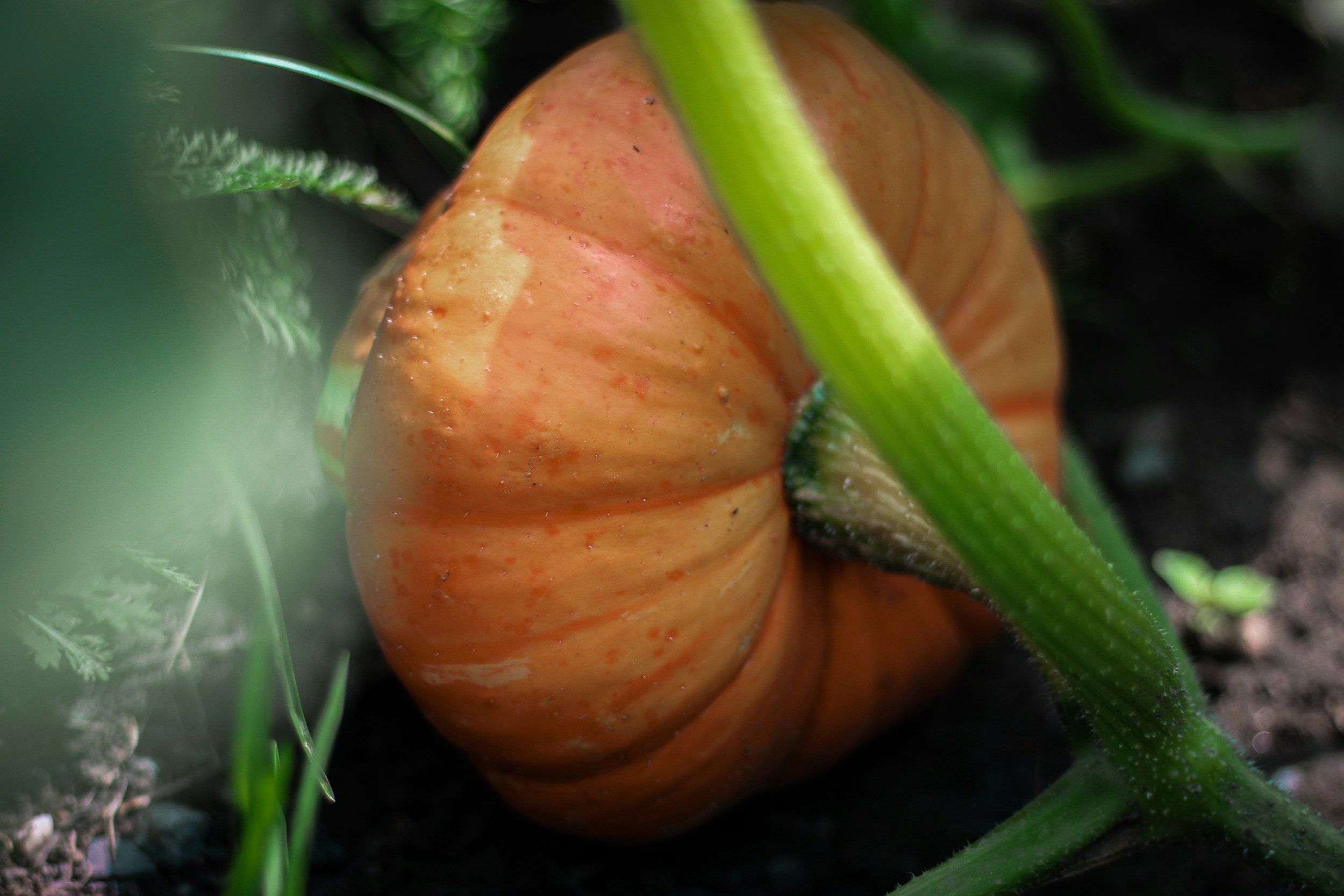
The September Garden Is Both an Ending and a Beginning
September may be one of the most interesting months in the garden.
It isn't quite autumn—not yet.
There are still warm afternoons, herbs putting on fresh growth, flowers full of pollinators and summer vegetables that aren't finished producing.
But mornings feel different.
The light has shifted. Evenings arrive sooner. And empty spaces have begun appearing where summer crops once grew.
Instead of seeing those spaces as the end of the garden year, I've started seeing September as another beginning.
Here at Hilltop, this month is about doing three things at once: harvesting what remains, preserving what we can and planting what comes next.
Keep Gathering What Is Still Growing
One of the easiest mistakes to make in late summer is assuming the harvest is almost over.
The garden usually disagrees.
Herbs can continue producing well into the season, especially when they've been harvested regularly.
I still walk through the garden looking for what is ready rather than deciding beforehand what I need.
Some days that means lemon balm or mint.
Another day it might be basil headed straight for the kitchen.
Chamomile blossoms may go into a drying basket.
Flowers might become photographs, pressed specimens or simply something left outside for the pollinators.
The harvest doesn't have to be large to matter.
A handful of herbs is enough to begin.
Preserve Herbs in Small Batches
I used to think preserving the garden meant waiting until there was an enormous amount of something to process.
I've learned that I much prefer doing the opposite.
Small batches fit naturally into everyday life.
A little mint can be dried.
Fresh herbs can become herb salt.
Flowers and botanicals can inspire sugar, syrup or infused honey.
Tea ingredients can be carefully dried and stored for later blending.
Slowly, jars begin appearing on the shelf.
By winter, those jars become little reminders of the garden that grew here months earlier.
If you're beginning your own botanical pantry, don't worry about filling an entire shelf.
Start with one jar.
What Can Kentucky Gardeners Plant in September?
One of the best things about gardening in Kentucky is that September doesn't have to mean putting the garden to bed.
Cool-season vegetables can take over spaces where summer crops have finished.
University of Kentucky Extension recommends several quick-growing crops for early September, including spinach, lettuce, kale, mustard greens, radishes and turnips. Broccoli, cabbage and cauliflower transplants can also go into the garden for fall production. scott.mgcafe.uky.edu
Cooler nights mean plants may grow more slowly than they would in spring, so keeping newly seeded areas consistently moist is especially important while seeds germinate. exclusives.mgcafe.uky.edu
This week I'll be looking around the garden and asking:
What has finished?
Where is there newly available space?
What could still grow here before winter?
Those three questions can completely change the way we think about the end of summer.
Some Garden Beds Can Give Back to the Soil
Not every empty space needs another crop.
September can also be a time to think about the soil underneath everything we've grown.
Cover crops are another option for beds that will remain empty through winter. University of Kentucky Extension lists cereal rye and wheat for September–November planting and crimson clover and hairy vetch for late-summer/early-fall planting. exclusives.mgcafe.uky.edu
A productive garden isn't only about how much we can harvest from it.
Sometimes the best thing we can do is prepare the soil for what comes next.
Keep Notes Before the Season Changes
This is also one of the most useful times of year to keep a garden journal.
Spring tells us what we hope will happen.
September tells us what actually happened.
Which herbs did we use constantly?
Which plants survived the heat?
What did pollinators visit most often?
What grew too aggressively?
What barely grew at all?
What did we plant far too much of?
And—perhaps most importantly—what do we want to grow again?
Those observations are easy to forget by January.
Writing them down now turns this year's garden into next year's experience.
Don't Rush Autumn
Stores may already be telling us that summer is finished.
The garden isn't.
There are still herbs to gather.
Flowers still opening.
Tomatoes still ripening.
Bees still working.
And warm evenings that deserve to be enjoyed before they're gone.
September doesn't require us to rush into the next season.
We can preserve summer while preparing for autumn.
Maybe that's what I like most about this time of year.
The garden rarely ends one season before beginning another. For a little while, we get to live in both.
If you're building your own garden-to-pantry rhythm, explore The Herbal Recipe Book for botanical syrups, infused honeys, herb salts, botanical sugars, teas and other ways to turn what grows around you into something useful.
And if tea is where you'd rather begin, explore the Hilltop Botanicals loose-leaf tea collection.
