

Why Tea Is a Seasonal Drink
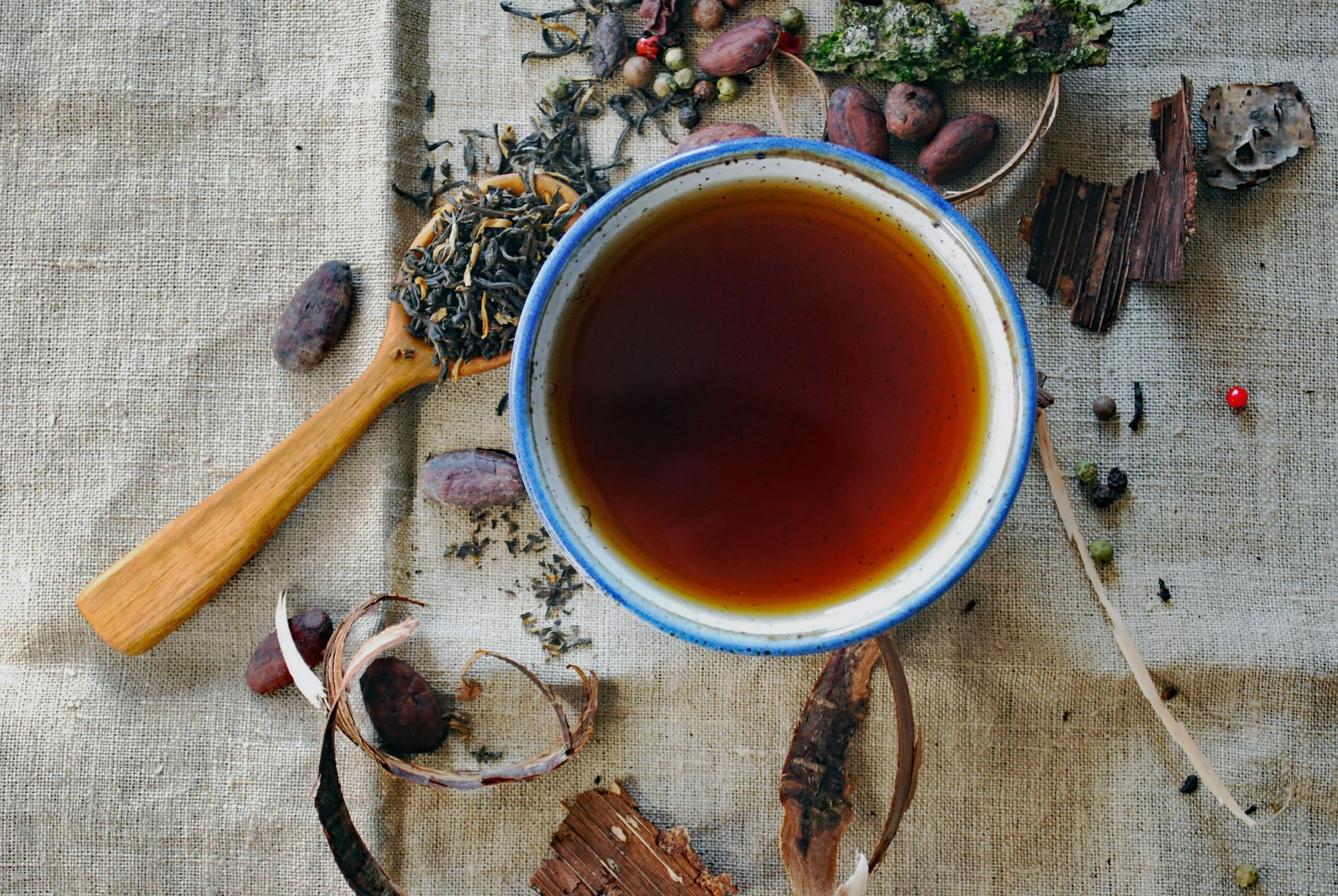
Tea is often thought of as something consistent.
A familiar blend.
A daily ritual.
A cup that tastes the same no matter the time of year.
But when tea is approached through the lens of plants—of how they grow, change, and are harvested—it becomes something else entirely.
At Hilltop Botanicals, tea is not static.
It is seasonal.
Tea Begins with the Plant
Every tea starts long before it reaches the cup.
Leaves, flowers, roots, and fruits all develop in response to the season. Their flavor, aroma, and structure are shaped by light, temperature, soil, and timing.
This is especially true for herbal tea and loose leaf tea blends.
A spring herb is not the same as its summer or autumn counterpart. Even the same plant—harvested at a different time—can produce a completely different infusion.
Season defines the ingredient.
The Rhythm of Seasonal Tea
Each season brings its own character to tea.
Spring
Fresh, green, and lightly floral
→ lemon balm, mint, early blossoms
Summer
Bright, abundant, and aromatic
→ floral herbs, fruit, sun-developed leaves
Autumn
Grounded, warming, and structured
→ apple, spice, deeper botanical elements
Winter
Simple, slow, and comforting
→ roots, bark, and minimal blends
These shifts are not trends.
They are reflections of what is naturally available.
This is the foundation of seasonal tea.
Flavor Changes with Time
Seasonality is not just about availability—it is about flavor.
A leaf harvested in early spring is often softer and more delicate. The same plant in late summer may be stronger, more bitter, or more aromatic.
This is why small-batch tea and botanical tea blends can vary slightly throughout the year.
And that variation is not a flaw.
It is part of the experience.
A Different Way of Drinking Tea
Drinking tea seasonally creates a different relationship with it.
Instead of expecting consistency, there is an awareness of change.
A tea that feels right in winter may feel too heavy in spring. A bright, citrus-forward blend in summer may feel out of place in colder months.
Seasonal tea invites:
• attention
• adjustment
• presence
It becomes less about routine and more about connection—to the landscape, to the moment, and to the cup itself.
The Hilltop Approach
At Hilltop Botanicals, tea follows the season.
Ingredients are chosen based on what is growing, what is available, and what reflects the time of year. Blends are not created to remain the same indefinitely, but to express a specific moment in the seasonal cycle.
This is why many teas shift throughout the year.
It is intentional.
It reflects the same process used in botanical observation—watching closely, responding to change, and creating from what is present.
Closing
Tea is not separate from the season.
It is part of it.
From the first spring leaves to the deeper tones of autumn and the quiet simplicity of winter, each cup carries something of its time.
When tea is approached this way, it becomes more than a drink.
It becomes a reflection of the season itself.
