

How Botanical Studies Begin
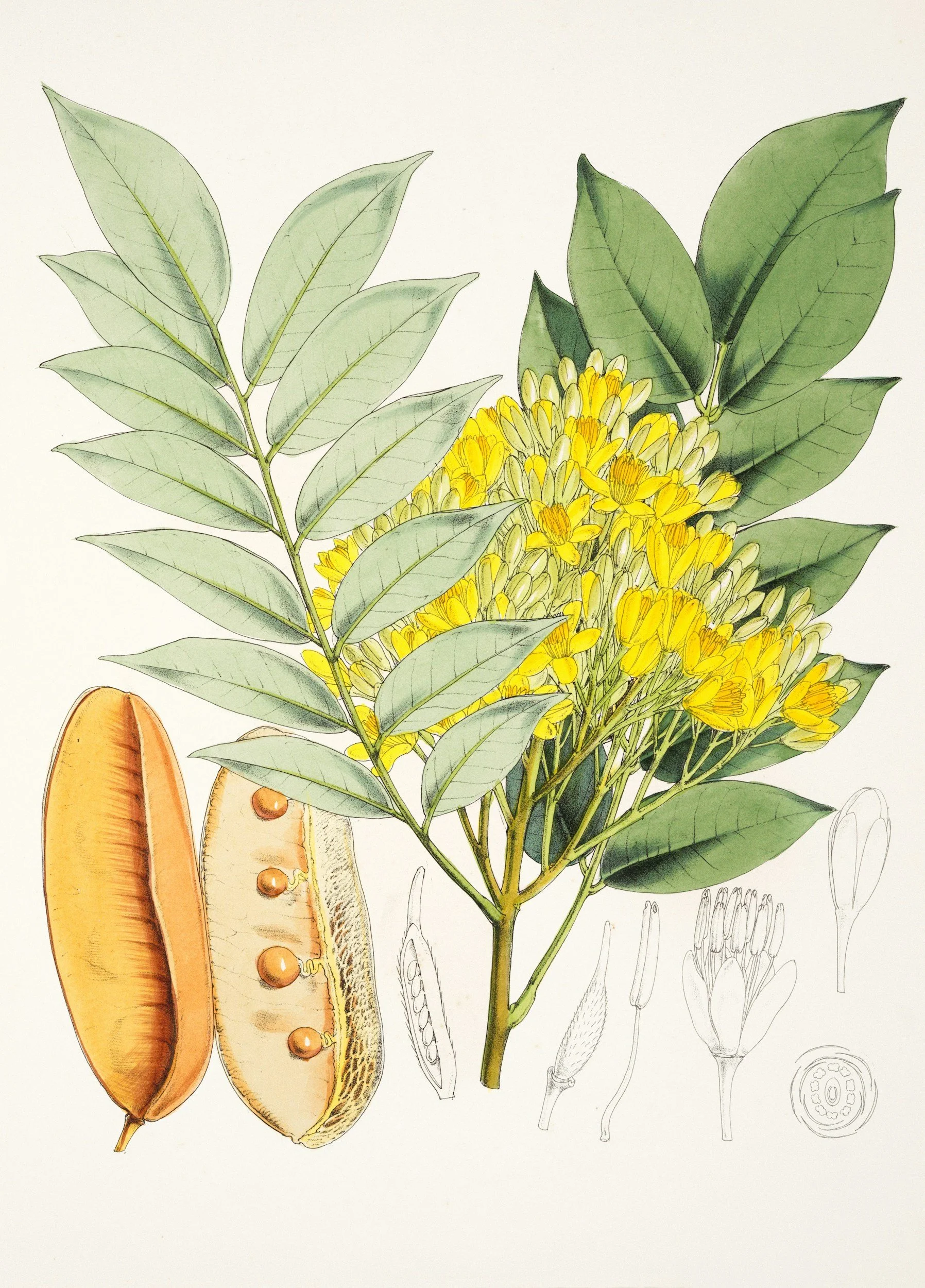
Every botanical study begins the same way:
With observation.
Before a plant is painted, pressed, or preserved—it is noticed. Closely. Quietly. Without rushing past its details.
At Hilltop Botanicals, this practice of observation shapes everything—from botanical art to loose leaf tea blends.
Learning to See
To begin a botanical study is to slow down.
A leaf is no longer just green. It holds structure, movement, and variation. The curve of an edge, the pattern of veins, the way light passes through its surface—these details only appear when you take the time to look.
This same attention carries into the creation of botanical tea.
The way dried herbs fold and settle.
The color variation in petals and leaves.
The balance of textures within a blend.
Observation is where both art and tea begin.
The Practice of Botanical Study
Botanical studies are not about perfection.
They are about understanding.
A stem is examined from multiple angles. A flower is studied as it opens and fades. A leaf is observed not just in its ideal state, but through its full cycle.
This process is foundational in both botanical illustration and the development of herbal tea blends.
Each plant teaches something different:
• Structure
• Texture
• Color
• Change over time
These observations become the basis for both botanical art practice and thoughtful tea blending.
From Plant to Page
A botanical study often begins simply.
A single specimen.
Natural light.
A quiet surface.
No elaborate setup is required.
Just the willingness to spend time with one plant—long enough to begin understanding its form.
At Hilltop Botanicals, this same approach extends into every part of the process. Plants are not just used—they are studied, observed, and worked with slowly.
This is what gives both botanical studies and loose leaf herbal tea their depth.
A Slower Creative Practice
In a fast-moving world, botanical study offers something different.
It asks for patience.
For stillness.
For attention to small details.
This way of working naturally aligns with slow living, seasonal rhythms, and the intentional practice of preparing tea.
A cup of tea and a plant on the table.
A sketchbook nearby.
A moment that is not rushed.
This is where the work begins.
Closing
Every study starts with a single plant.
Not as a subject to capture quickly—but as something to return to, again and again, until it reveals itself more fully.
Through observation, both art and tea become something deeper.
Not just made—
but understood.
